
Orlando Fence Company Wood Fence
How Much Does a Wood Fence Cost in Orlando, FL (2025 Prices)
· by seo · 14 min read
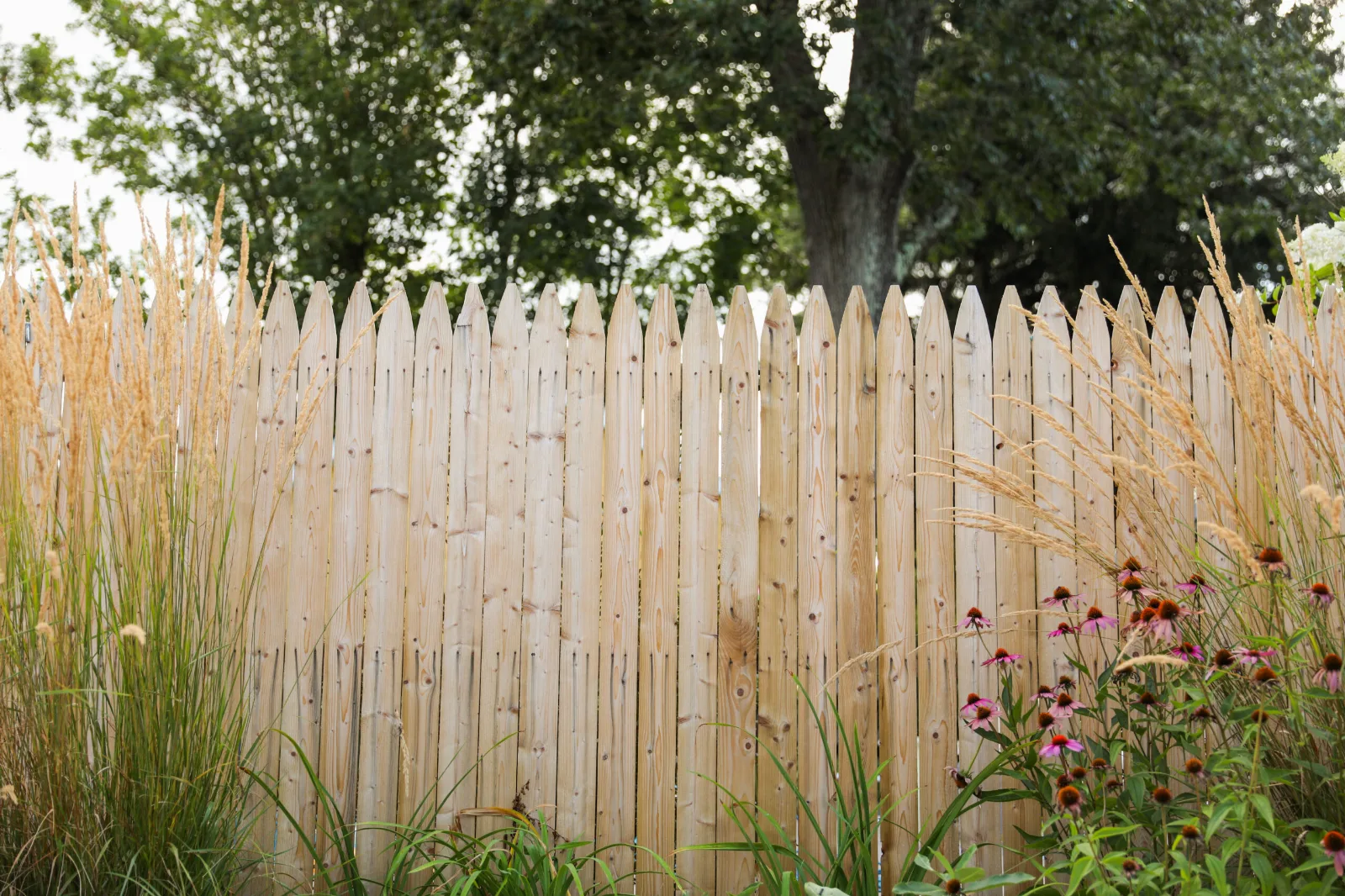
How about installing a wood fence around your home? It’s one of the most timeless and practical ways to add privacy, beauty, and character to your property. In a world full of modern materials and synthetic alternatives, wood still holds its ground not because it’s trendy, but because it’s real. It feels grounded, natural, and distinctly Floridian.
Orlando homeowners love wood fencing for a simple reason: it does everything well. It blends with tropical landscapes, adapts to nearly any home style, and offers flexibility that vinyl or aluminum can’t match without draining your budget. Whether you want clean pickets, horizontal slats, or full privacy panels, wood gives you that custom-built charm without the custom-built price tag.
But here’s the truth you should know! Not all wood fences are created equal. The cost of a 6-foot pine privacy fence in Orlando isn’t the same as a pressure-treated cypress or cedar upgrade, and local variables like humidity, soil type, and even HOA rules can move the number up or down fast.
In this guide, we’ll break down the real costs of installing a wood fence in Orlando, what factors influence pricing, and how to stretch your budget for the best long-term value.
At Straightline Fence, we don’t believe in guesswork or gimmicks. We offer free, no-obligation estimates and build durable wood fences engineered for Florida’s weather.
1. Average Cost to Install a Wood Fence in Orlando (Per Linear Foot & Total Cost)
Let’s get straight to the math because cost clarity is power.
For most Orlando homeowners, a professionally installed wood fence runs between $13.50 and $17+ per linear foot, depending on the height, design, and material quality. If you’re enclosing a standard 150 linear feet, expect to invest between $2,250 and $5,250. Decorative or custom styles—think shadowbox, board-on-board, or horizontal slats can climb past $20 per foot.
Why does Orlando trend slightly higher than the national average ($2,000–$4,500)? It’s not arbitrary. Florida’s humidity, soil density, and storm prep codes raise the bar for both materials and craftsmanship. You’re not just buying a fence, you’re buying resilience in a climate that doesn’t play nice.
Below is the breakdown of what those numbers actually look like by height.
Fence Height | Average Cost per Linear Foot | Estimated Total (150 Linear Feet) | Best For |
4 ft | $13.50 – $15 | $2,025 – $2,250 | Front yards, decorative boundaries, pet areas |
6 ft | $15 – $17+ | $2,250 – $5,250 | Privacy, backyard enclosures, security |
8 ft | $18 – $22+ | $2,700 – $6,600 | Sound reduction, wind buffering, and added privacy |
Numbers don’t lie, but they also don’t tell the whole story. The smartest homeowners don’t just look at cost per foot; they calculate value per year. A pressure-treated pine fence that lasts 10 years at $3,000 often beats a cheaper install that rots out in five. That’s not an expense, it’s a strategy.
At Straightline Fence, we help Orlando homeowners engineer that strategy: balancing upfront cost with long-term durability, so your fence doesn’t just survive Florida, it owns it.
2. Common Wood Fence Types & Price Ranges
Not all wood fences are created equal. Each material tells a different story of cost, character, and endurance. Some are built for budget efficiency, others for longevity. The real secret? Understanding what you’re actually paying for. Because once you know the code behind the cost, you stop guessing and start building with intention.
Here’s the breakdown, stripped of hype and loaded with truth.
Fence Type | Description | Avg. Cost per Linear Foot | Durability/Maintenance |
Pressure-Treated Pine | The everyman’s choice. Affordable, sustainable, and widely available. It’s functional, not flashy — the baseline standard across Orlando backyards. | $13–$16 | 10–15 yrs/Moderate |
Cedar | Naturally rot-resistant with that deep, warm tone homeowners love. You pay a bit more, but you also get longevity and minimal upkeep. | $16–$20 | 15–20 yrs/Low |
Cypress | The local favorite. Grown and sourced across the Southeast, cypress resists insects and decay as if it were designed for Florida itself. | $17–$22 | 15–25 yrs/Low |
Redwood | Premium from top to grain. Rich in tone, high in cost, and nearly immune to time. This is for the homeowner who’s building a legacy, not just privacy. | $25+ | 20+ yrs/Low |
Board-on-Board / Shadowbox | A design upgrade with depth and dimension. It allows airflow while maintaining privacy where form meets function in clean symmetry. | $18–$25 | 15–20 yrs/Moderate |
When you understand the materials, you start to see the fundamental economics of wood fencing. Cheap is never cheap if you’re replacing it every five years. The winning move isn’t saving money today, it’s engineering value that compounds over time.
At Straightline Fence, we don’t sell fences. We build systems that stand up to Florida’s punishing UV rays, humidity, soil shift, and storms. Because in Orlando, your fence isn’t décor. It’s infrastructure.
3. Key Factors That Affect Wood Fence Pricing in Orlando
Every fence has a formula. It’s not random. It’s math multiplied by materials, labor, and Florida itself. Understanding these variables isn’t just about predicting cost; it’s about controlling it. Once you know what drives the price, you stop reacting to quotes and start engineering value.
Here’s the breakdown of what really moves the needle in Orlando:
1. Fence Height & Length
More height, more footage, more dollars, it’s that simple. A 6-foot fence doesn’t just use more wood; it requires deeper posts, heavier hardware, and longer install time. That’s why your square footage matters as much as your zip code.
2. Fence Design
A straight privacy panel is fast, efficient, and cost-effective. But decorative design, such as lattice tops, horizontal slats, or shadowbox patterns, demands precision. Every extra cut, angle, and layer adds labor hours. Aesthetics always have a price tag.
3. Terrain & Accessibility
Flat, open yards are a dream. Sloped ground, dense roots, or tight side yards? Not so much. Obstacles slow crews down and increase digging depth, post adjustments, and equipment setup. The land sets the stage, and the budget follows.
4. Gates & Hardware
A single walk gate adds $200–$500. Double gates or driveway access? Expect $1,000+. The hidden factor here isn’t the wood, it’s the metal. Hinges, latches, and framing hardware drive the cost, and cutting corners here means buying repairs later.
5. Permitting & HOA Rules
In Orlando and most surrounding counties, permits run $40–$200, and HOA design rules can add time or revisions. Straightline Fence handles the paperwork so your project clears every regulation fast and clean.
6. Staining or Painting
Finishing your fence adds $1.50–$3 per linear foot, but it’s not just cosmetic. A proper seal turns wood from temporary to tactical. It’s the difference between a fence that fades and one that compounds value over time.
Bottom line: fence pricing isn’t a mystery, it’s a system. Factors such as height, design, terrain, hardware, permits, and finishing all feed into the same equation. The difference between “expensive” and “worth it” is understanding why.
At Straightline Fence, that’s what we deliver! Not just a number, but a breakdown engineered for clarity. Because when it comes to your fence, truth beats guesswork every time.
4. Cost Examples in Orlando-Based Scenarios)
Numbers are one thing. Reality is another. Real fences, real homes, real costs. That’s where the blueprint becomes truth. These aren’t hypotheticals; they’re practical examples of what Orlando homeowners actually invest when wood meets ground.
Example A: 100 ft Pressure-Treated Pine Privacy Fence About $2,000 Total
- The classic entry point. A standard 6-foot pine privacy fence enclosing a small backyard in east Orlando.
- Materials: ~$1,100 (pressure-treated pine, posts, and fasteners)
- Labor: ~$700 (2-day installation)
- Extras: ~$200 (permits + cleanup)
Built for utility and privacy, not flash. It’s what most first-time homeowners choose. It’s affordable, fast, and strong enough to handle humidity when properly sealed.
Example B: 150 ft Cedar Shadowbox Fence About $3,800 Total
- Mid-range style meets long-term value. A Windermere homeowner wanted airflow and aesthetics, and the shadowbox design delivered both.
- Materials: ~$2,200 (cedar boards + decorative top rail)
- Labor: ~$1,300 (3-day install with precision spacing)
- Extras: ~$300 (permits, disposal, gate hardware)
Cedar’s natural oils resist decay, making it a smart long-game play for Orlando’s moisture-heavy environment. More upfront, less maintenance down the line.
Example C: 80 ft Cypress Fence with Gate ~$2,200 Total
- Shorter span, higher-grade material. An Apopka homeowner wanted insect resistance and a natural Florida finish; cypress was the obvious choice.
- Materials: ~$1,200 (cypress boards + treated posts)
- Labor: ~$750 (custom-fit around trees and irrigation lines)
- Extras: ~$250 (walk gate + permit)
Built to withstand Florida’s bugs, rain, and sun. It’s not the cheapest option, it’s the most calculated one for longevity.
These examples show what engineered decisions look like in numbers. Every variable material, labor, terrain, and finish compounds into the total. You don’t chase a “cheap fence.” You design a smart build that lasts longer, looks better, and compounds value over time.
That’s how Straightline Fence approaches every Orlando project with engineered clarity, not guesswork.
5. How to Save Money on a Wood Fence Installation
Here’s the truth: smart savings aren’t found in shortcuts, they’re engineered through strategy. A fence isn’t just wood and nails; it’s a system of decisions. Every choice you make, from height to timing, changes the math. Below are the levers that move the cost curve in your favor without sacrificing quality or durability.
1. Stick to Standard 6-Foot Height
It’s the industry’s sweet spot, tall enough for privacy, short enough to keep material and labor costs efficient. Once you break the 6-foot threshold, the price per foot jumps fast.
2. Choose Pressure-Treated Pine for Value
If your goal is the best cost-to-durability ratio, this is it. Pressure-treated pine is engineered for Florida’s humidity, giving you long-term performance without premium pricing.
3. Combine Projects (Fence + Landscaping)
Bundling outdoor projects reduces equipment costs and site prep time. When crews are already mobilized, your total labor expense drops.
4. Share the Line, Share the Cost
If your fence runs along a property line, split the cost with your neighbor. It’s a small negotiation that can save both sides hundreds of dollars.
5. Install During the Off-Season
Demand dips in fall and winter, and so do prices. Contractors have more flexibility and sometimes better rates before the spring rush hits.
6. Ask About Financing or Phased Payments
A professional contractor should work with your timeline, not against it. Breaking a project into stages or structured payments helps protect cash flow without pausing progress.
7. Get Multiple Quotes Then Verify Credentials
Yes, compare bids. But remember: the lowest price means nothing without licensing, insurance, and accountability. Always verify before you sign.
Smart homeowners don’t chase discounts, they build leverage. Each decision compounds: standard height, strategic timing, verified contractors. It’s not about cutting corners; it’s about cutting waste.
At Straightline Fence, we help Orlando homeowners engineer value, not gamble with it. Transparent quotes, professional crews, and weather-tested builds because saving money should never mean losing quality.
6. Maintenance Costs & Lifespan Expectations
Here’s the unfiltered truth: every fence has a clock. You don’t stop the timer, you slow it down. Maintenance isn’t an expense; it’s insurance on your investment. The difference between a 10-year fence and a 20-year fence usually isn’t the material. It’s the care.
Annual Sealing or Staining: $300–$600
Wood is alive, even when it’s cut. It expands, contracts, and absorbs. A yearly seal or stain is the shield that keeps it from breaking down under Florida’s humidity and UV exposure. Think of it as your fence’s annual armor upgrade.
Pressure Washing Every 1–2 Years
Mold, dirt, and algae are silent destroyers. A light wash every year or two clears the buildup that eats away at surface protection. Skip it, and you’re letting rot write the story for you.
Average Lifespan: 12–20 Years
The range is wide because the habits are different. Pressure-treated pine might live 12 years; cedar and cypress, up to 20. But the secret variable is attention. Regular upkeep doubles lifespan neglect cuts it in half.
Pro Tips to Extend Lifespan:
- Choose rot-resistant wood, such as cedar or cypress.
- Keep sprinklers off fence lines, water damage starts small, and ends up structural.
- Avoid ground contact where moisture collects, as it accelerates decay.
- Trim vegetation regularly. Vines look romantic until they trap humidity and feed termites.
Maintenance is the code that turns a disposable fence into a long-term asset. The good news? It’s predictable, low-cost, and scalable.
At Straightline Fence, we don’t just install and disappear. We engineer fences for longevity and teach you how to keep them that way. Because a fence that stands tall after a decade isn’t luck, it’s strategy.
7. Frequently Asked Questions (FAQs)
Information is leverage. The more you understand the mechanics behind fence pricing in Orlando, the less likely you are to overpay or underbuild. Here’s the raw data decoded into real answers.
Q: What’s the cheapest wood fence style in Orlando?
Pressure-treated pine privacy fences take the title. They start at $13–$15 per linear foot, offering solid privacy and strength at the lowest cost per foot. It’s not fancy, it’s efficient.
Q: How much does labor cost to install a wood fence?
Labor typically runs $3–$6 per linear foot, depending on terrain, design, and accessibility. Simpler builds mean faster installs and lower labor hours. Complexity compounds cost, it’s the physics of craftsmanship.
Q: Do I need a permit for a wood fence in Orlando?
Yes. Most Orlando and Orange County projects require a city or county permit, usually $40–$200. Skip it and you risk fines or forced removal. Straightline Fence handles permits start to finish, so compliance never slows your timeline.
Q: How long does it take to build a 150-foot wood fence?
Two to three days for a standard 6-foot privacy fence. Add complexity like slope adjustments or gates, and it can stretch to four. The code is simple: accessibility equals speed.
Q: Should I stain my wood fence right after installation?
Not immediately. Let pressure-treated wood dry out for 4–6 weeks before sealing or staining. Otherwise, moisture trapped inside prevents proper absorption and protection. Patience now saves money later.
Q: Which wood lasts longest in Florida’s weather?
Cypress and cedar outperform the rest. Naturally resistant to rot, insects, and moisture, they can last 15–25 years with minimal upkeep. It’s native durability engineered by nature, proven by climate.
Q: How can I tell if my old fence should be replaced instead of repaired?
Check the base. If posts are rotting, leaning, or crumbling at the soil level, repairs are a short-term patch, not a fix. When more than 20% of your panels or posts fail, replacement is the smarter investment, as it resets your fence’s lifespan clock.
Every question leads back to one truth: fence building is about controlling cost, quality, and outcomes. At Straightline Fence, we’ve simplified that process into a predictable system: engineered builds, transparent pricing, and zero guesswork.
8. Why Get a Quote from Straightline Fence
A fence is only as strong as the team that builds it. You’re not buying wood; you’re buying expertise, precision, and accountability. At Straightline Fence, that’s our entire operating code.
We don’t sell cookie-cutter installs. We engineer fencing systems built to withstand Florida’s humidity, soil, and storm cycles using pressure-treated pine, cedar, and cypress that perform where other materials fail. Every project is measured, mapped, and executed by local experts who understand the terrain because they live here too.
Our quotes are free, transparent, and fully itemized, no pressure, no hidden math. We break down your pricing so you can see exactly what you’re paying for: materials, labor, permits, and optional finishes. Clarity is our standard operating system.
Whether you’re in Orlando, Winter Park, Sanford, Kissimmee, or Apopka, our team delivers fences that don’t just look good on day one, they stay standing through every season. Because at Straightline Fence, we don’t chase sales. We chase longevity.
Call (407) 990-6603 or visit us online to schedule your free, no-obligation estimate today. When you’re ready to build a fence that’s not just installed but engineered for Florida, start with the team that knows the code.
Keep reading
6 Wood Fence Durability Tips for Florida Heat and Humidity
Florida weather doesn’t wear your fence down over time. It challenges it every single day. Relentless heat, constant humidity, and storms that show up uninvited. If...
Fence Repairs to Make Before Florida Storm Season Hits
Storm season doesn’t send a warning text. It shows up uninvited, hits hard, and exposes every weak point in your fence that you have ignored. At our Orlando fence...
Wood Fence Mistakes That Florida Homeowners Should Avoid
Florida homeowners don’t lose money on fences because wood fails. They lose money because wood fence installation is treated like a weekend project rather than a...