
Field Fence Installation for Orlando Climate and Terrain
· by seo · 13 min read
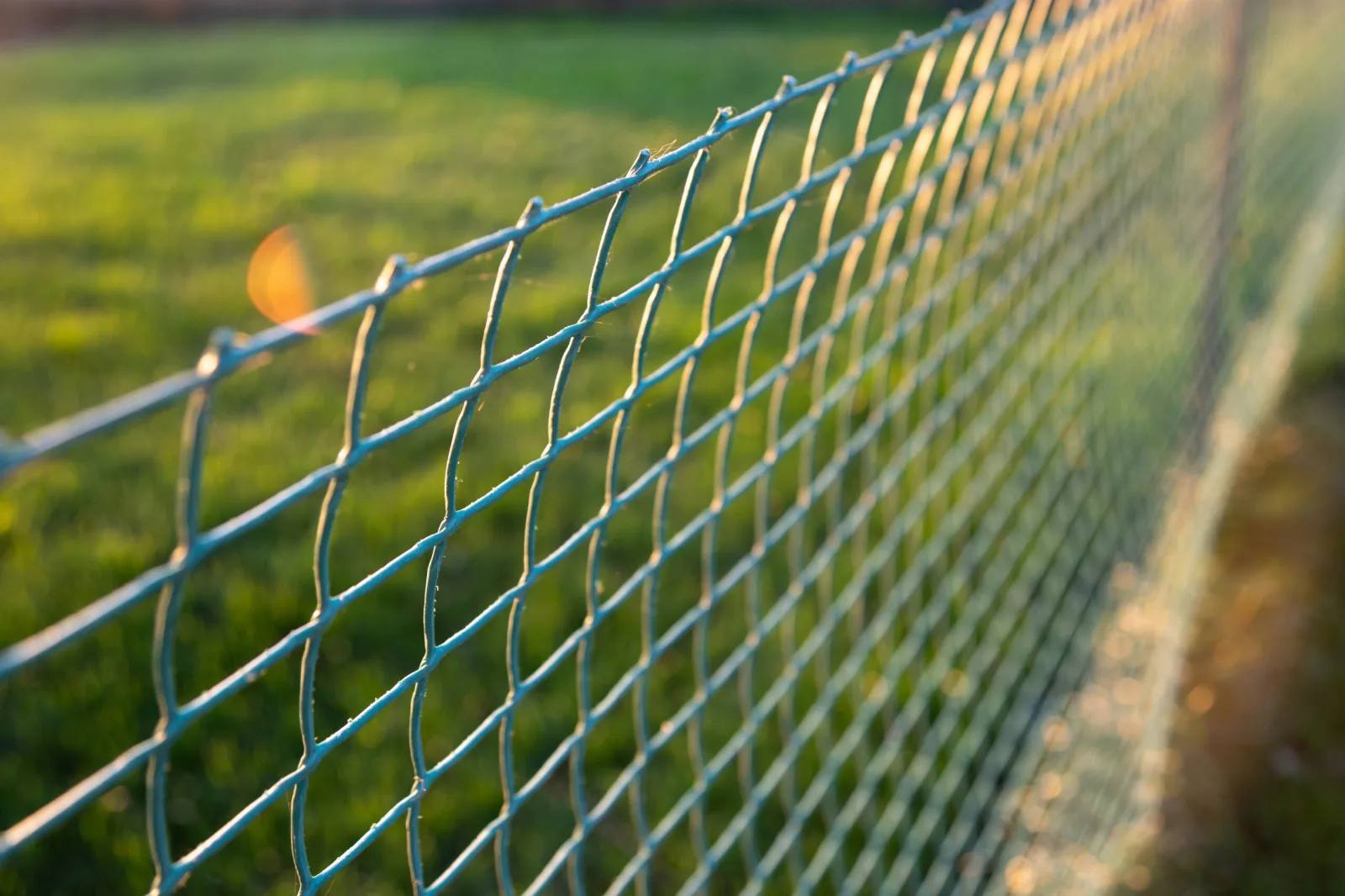
When it comes to field fence installation in Orlando, you can't just wing it. Between the unpredictable weather, sandy soil, and local regulations, it’s a job that demands planning, precision, and the right materials. Whether you're protecting livestock, marking property boundaries, or enhancing the security of a large lot, installing a field fence in Central Florida is about more than just stretching some wire between posts. As experts at Straightline Fence, we understand precisely what it takes to make a fence last here, and we’re here to help you get it right from the start.
Understanding the Unique Climate and Terrain of Orlando
The Subtropical Climate: Heat, Humidity, and Rain
Orlando’s subtropical climate is beautiful but brutal when it comes to building and maintaining outdoor structures. Summers are hot and humid, while winters remain relatively mild with occasional cold snaps. The frequent and intense rainstorms, especially during hurricane season, can severely impact a fence’s integrity if it’s not properly anchored and weatherproofed. Moisture in the air promotes the growth of rust and mold, which can weaken materials over time if left unchecked.
Field fences, unlike decorative residential fencing, are expected to handle more wear and tear. Animals might lean against them. Equipment might scrape them. And that persistent Florida humidity? It can cause untreated wood posts to rot faster than you’d expect. If you're not factoring in the elements during your fence installation, you’re setting yourself up for costly repairs down the line.
Soil Composition in Central Florida
Dig into Orlando’s ground, and you’ll quickly notice the sandy soil. This light, porous terrain can be both a blessing and a curse. While it makes digging easier, it offers poor anchorage for fence posts unless they’re installed correctly. Shifting soils after heavy rain can cause poorly braced posts to lean or sink unevenly, compromising the entire fence’s structure.
At Straightline Fence, we’ve tackled projects across all types of terrain in the area, from soft wetlands to rocky patches. We recommend deeper post holes (at least 3 feet deep) and sometimes even concrete footings for extra stability in loose soil. Knowing how to work with the ground, rather than against it, is key.
Weather Impacts on Fence Longevity
From UV exposure to high wind gusts, weather challenges can cut your fence’s lifespan in half if you're not prepared. Vinyl coatings can help prevent rust, while pressure-treated wood resists rot. For areas prone to high winds, reinforcing corners and installing diagonal bracing is essential. Consider using thicker-gauge wire as well, especially if the fence will be subjected to weight or pressure from livestock.
At Straightline Fence, we recommend starting with a weather-resilient design and adjusting based on the location's specific exposure. In areas of your property that are prone to water pooling or shade, opt for materials that combat mildew and mold.
The Importance of Proper Planning Before Installation
Conducting a Property Assessment
Every successful fence project starts with a detailed property walkthrough. This isn't just about where you want the fence to go; it’s about where it can go. Are there natural slopes? Wetlands? Underground utilities? Mapping these out will save you major headaches later.
At Straightline Fence, our team uses professional tools to measure and map every inch of the planned fence line. We assess elevation changes, check for flood zones, and account for any existing landscaping that could interfere with post placement.
Identifying Zoning and Permit Requirements
In Orlando, field fences may require permits depending on their height, purpose, and location. Agricultural properties often have fewer restrictions than residential ones, but that doesn’t mean you can skip the paperwork. Most neighborhoods and municipalities require notification or approval for boundary fences, especially near roads or public spaces.
Determining Fence Purpose and Placement
What’s your fence for: livestock control, property division, garden protection, or aesthetics? The answer determines the height, wire gauge, post spacing, and even the materials you’ll need. For example, a fence for cattle requires much stronger wire than one meant to keep out rabbits or mark a property line.
Placement matters too. Will your fence border roads or your neighbor's properties? Are you accounting for gates, driveways, or future expansions? Planning now prevents regrets later. Straightline Fence consults with clients to understand their long-term goals before breaking ground.
Field Fence Installation Orlando: Choosing the Right Fence Materials
Wire Types and Their Uses
Not all wire is created equal. For field fences in Orlando, we typically recommend high-tensile wire due to its exceptional strength and flexibility. It’s less likely to sag or snap under pressure and holds up well against Florida’s harsh weather. Woven wire is excellent for livestock as it prevents injuries and escapes, while barbed wire is more appropriate for security-focused applications.
When selecting wire, pay attention to gauge (thickness), coating (galvanized or vinyl), and spacing. Larger animals, such as cattle, require closer spacing and stronger wire than smaller animals, like goats or sheep.
Wood vs. Metal Posts in Local Conditions
Wood posts offer a classic, sturdy appearance but require more maintenance in Florida’s humid environment. Pressure-treated pine or cypress posts can last for years if installed correctly and maintained regularly. Metal T-posts, on the other hand, are lightweight, cost-effective, and easy to install, making them ideal for long runs or temporary fencing.
In Orlando’s variable soil, a mix of both is often ideal: wood for the corners and gate posts (where strength is essential), and metal for the line posts. This hybrid approach strikes a balance between durability and cost efficiency.
Weather-Resistant Coatings and Treatments
Whether you’re using wood or wire, don’t skip on coatings. Galvanized wire resists rust better than bare metal, and some manufacturers offer double-dipped galvanized options for maximum longevity. For wood, water-sealants and UV-protective stains go a long way in preserving appearance and structure.
At Straightline Fence, we only use materials that meet or exceed industry standards for outdoor durability in humid climates. It’s not just about looking good, it’s about holding strong year after year.
Tools and Equipment You’ll Need
Essential Tools for Efficiency
You’ll need more than a hammer and nails to install a quality field fence. Core tools include:
- Post hole digger or auger
- Fence stretcher
- Come-along or tensioning tool
- Wire cutters
- Level and measuring tape
- Sledgehammer or post driver
Having the right equipment ensures a straight, tight, and properly anchored fence. Straightline Fence uses commercial-grade tools for speed and precision.
Safety Gear for Protection
Fence installation involves sharp edges, heavy lifting, and sometimes the use of power tools. Don’t skip on:
- Work gloves
- Safety goggles
- Steel-toed boots
- Ear protection (when using loud machinery)
It’s not just about compliance, it’s about keeping yourself or your team safe during the job.
Post-Driving and Tensioning Tools
Driving posts deep enough is essential in Orlando’s soft soil. That’s why we use gas-powered post drivers for efficiency and consistency. For tensioning wire, proper tensioners and clamps prevent sagging and ensure even pressure across all spans.
Common Mistakes to Avoid in Field Fence Installation in Orlando
Skipping Soil Tests
It may sound unnecessary, but understanding your soil type can prevent many future headaches. Sandy soil in Orlando needs different post-setting techniques than clay or loam. Without a soil test, you could end up with leaning or unstable posts that require early replacement.
At Straightline Fence, we perform a basic soil assessment on every job. It’s quick, easy, and helps us decide whether to use deeper posts, gravel for drainage, or concrete anchors.
Using Inappropriate Materials
Choosing the wrong materials is a recipe for short-term fixes and long-term regrets. Thin-gauge wire might save money upfront, but it won’t withstand Florida’s climate or the pressure from livestock. Similarly, untreated wood posts will rot fast in humid conditions.
We’ve seen fences fail within two years simply because corners were cut on the materials. Straightline Fence only uses top-tier, weather-rated products that meet our durability standards. If we won’t use it on our property, we won’t install it on yours.
Failing to Tension the Wire Properly
A loose wire is more than just unsightly; it’s dangerous. Animals can push through it, wind can bend it, and it can even collapse entire sections of fence over time. Proper tensioning with the right tools and techniques ensures a longer-lasting, safer fence.
We’ve trained our crew to recognize the exact feel and sound of properly tensioned wire. It’s an art and a science, and it makes all the difference in a finished product that looks great and performs even better.
Benefits of Hiring Professionals Like Straightline Fence
Expertise in Local Terrain
Field fence installation in Orlando isn’t a one-size-fits-all job. Between the rain, sand, roots, and regulations, it takes real knowledge to get it right the first time. Our team at Straightline Fence has decades of experience working in every type of terrain Central Florida has to offer.
We know how to spot trouble spots before they become problems, and we plan every job with Orlando’s unique climate in mind. Whether it’s choosing deeper posts for soft soil or using coated wire to combat rust, our local expertise pays off in the form of a stronger, longer-lasting fence.
Quality Assurance and Durability
When you hire Straightline Fence, you’re not just buying materials, you’re investing in craftsmanship. Every fence we build comes with a satisfaction guarantee, and we use industry-leading techniques to ensure each section is built to last.
We don’t rush jobs or skip steps. From accurate measurements to flawless wire tensioning, every part of the process is handled by trained professionals who take pride in their work. The result? A beautiful, functional fence that performs year after year.
Time-Saving and Cost-Efficiency
DIY fence installations often take longer than expected and cost more than planned. By the time you buy or rent tools, make mistakes, and correct them, you could be weeks behind schedule. We streamline the process with a trained crew, efficient equipment, and bulk material purchasing.
Straightline Fence can typically complete installations in a fraction of the time it takes a homeowner or general contractor to complete. That means less disruption for you and faster protection for your property.
Seasonal Considerations for Fence Installation
Best Time of Year to Install
In Orlando, the best time to install a field fence is during the dry season from late fall through early spring. The cooler weather makes the ground easier to work with, and there’s less risk of rain delays or mud-related complications.
Planning is key. Schedule your installation in the off-season, and you’ll likely save time and money. Plus, the fence will be ready before the heavy rains and summer growth arrive.
Managing Rainy Seasons
If you have to install during Florida’s rainy season, preparation is everything. Waterproof gear, drainage planning, and flexible scheduling become integral to the process. We monitor the weather daily during installs and adapt our workflow to minimize downtime.
Our crews are trained to work quickly and efficiently between storms, and we have contingencies in place if conditions make digging or bracing temporarily impossible.
Protecting Materials in Heat and Humidity
Sun and humidity can warp, crack, and corrode materials left exposed for too long. We store all wood in shaded, ventilated areas and keep wire rolls off the ground to prevent rust. During installation, we minimize exposure by working in sections and installing materials immediately after delivery.
This approach keeps your investment in peak condition both before and after it is installed.
Maintenance Tips for Long-Lasting Field Fences
Routine Inspection Schedule
Like any structure exposed to the elements, a field fence requires regular inspections to remain strong and effective. In Orlando’s climate, we recommend inspecting your fence at least every three months and after every major storm. These inspections help catch minor issues before they become expensive problems.
Look for loose wires, sagging sections, leaning posts, and signs of rust or rot. Pay close attention to corners and gates, where the most stress occurs. Catching these early means quick fixes, rather than costly replacements down the line.
Rust Prevention and Repair
Rust is a top concern in Florida due to high humidity levels. To prevent it, choose galvanized or vinyl-coated wire and avoid scratching the protective finish during installation. For wood posts, use sealants and stains specifically designed for use in wet climates.
If you do spot rust, act fast. Sand off the affected area, apply a rust converter, and touch up with weather-resistant paint or sealant. Leaving rust untreated allows it to spread, weakening the entire structure over time.
Vegetation Control
Florida's lush greenery can quickly take over your fence line. Vines, shrubs, and tree branches not only hide problems but can also cause them. Heavy growth adds weight to wires, holds moisture against wood, and invites pests.
Make it a habit to trim vegetation regularly. Weed eaters or manual pruners can help keep the base of the fence clear, while pruning taller growth ensures branches don’t press on the wire or posts.
Legal and Regulatory Guidelines in Orlando
Property Lines and Neighbor Agreements
In Orlando, field fences must respect property lines. Installing even a few inches into a neighbor’s land can lead to disputes or legal actions. That’s why accurate surveys and clear communication are essential.
If your fence runs along a shared boundary, it's wise to discuss it with your neighbor first. In many cases, neighbors will agree to share costs if the fence benefits both parties.
At Straightline Fence, we help coordinate these conversations and ensure our installations respect all legal boundaries and local etiquette.
HOA and Municipal Compliance
If you live in a community governed by a Homeowners Association (HOA), your fence will likely need to meet additional design and placement standards. This may include limits on height, color, material, or placement near sidewalks or easements.
Even outside of HOAs, the City of Orlando and surrounding counties enforce fence codes regarding height, location, and safety. For example, fences near intersections must maintain visibility, and certain agricultural zones are exempt from this requirement, unlike others.
Documentation and Permitting
Don’t risk fines by skipping permits. Depending on the type of fence and its location, you may need to obtain zoning clearance, conduct environmental assessments, or even complete wildlife impact studies. Failure to get proper permits can lead to forced removals or hefty penalties.
Conclusion
Mastering field fence installation in Orlando requires more than just tools and determination—it demands a deep understanding of the local terrain, climate, materials, and building regulations. From sandy soil to unpredictable weather, Central Florida presents unique challenges that require thoughtful planning, expert craftsmanship, and durable materials.
At Straightline Fence, we’ve made it our mission to provide Orlando property owners with fencing solutions that not only last but also enhance their land’s function and appearance. We bring a detail-oriented approach to every step, from the initial property walk-through to post-installation maintenance.
Whether you’re fencing in livestock, securing property, or upgrading curb appeal, don’t settle for shortcuts or generic approaches. Choose experts who understand your land like you do. Choose Straightline Fence. Get a free estimate today!
Keep reading
Why Orlando Farms Depend on Field Fence Installation
If you own land, you already know the feeling. That stretch of open acreage that needs defining, protecting, and working for you instead of sitting idle. Field...
Field Fence Supplier in Lake Nona: Secure Your Property
Looking for a practical and reliable way to secure your property in Lake Nona? Whether managing a large farm, protecting a residential garden, or keeping livestock...
Safeguard Your Farm: Field Fence Installation in St. Cloud
When you think about running a farm, your mind might jump to caring for animals, planting crops, and managing day-to-day operations. But have you considered the...