
Cypress vs. Pine, Which Type of Wood Makes the Best Fencing Material?
· by seo · 5 min read
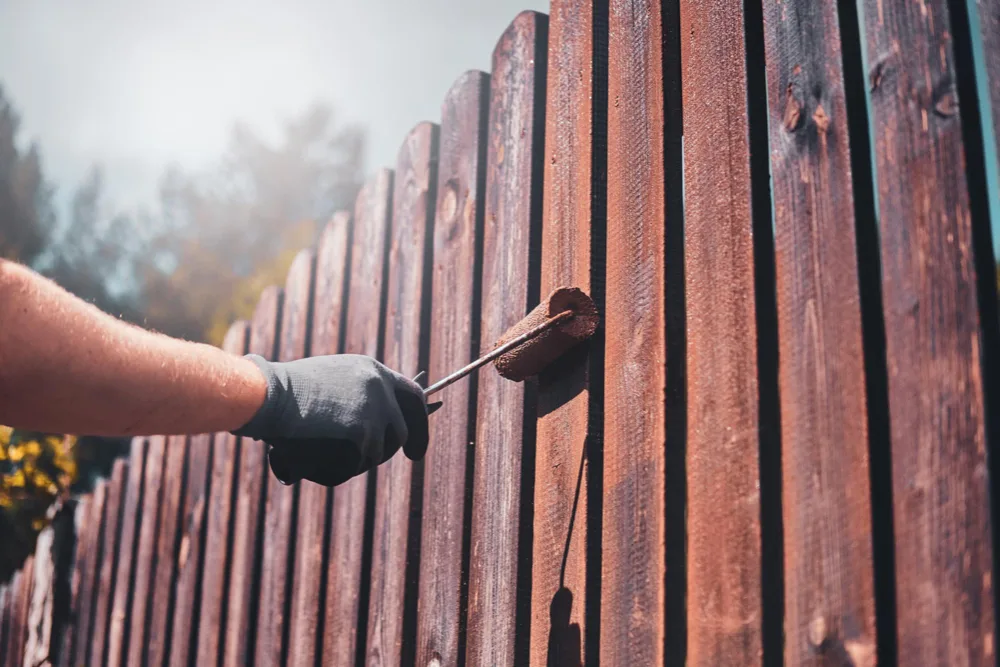
Cypress and pine are two of the most common fencing materials for wood fences. Both are strong, durable, and weather resistant, but they also have some essential differences that must be considered before deciding on your new fence.
As your trusted St. Cloud fence company, our experts here at StraightLine Fence are ready to help you decide which type of wood would be best for you!
Durability
Cypress and pine are both softwoods. However, cypress is the strongest wood in question, but it still has its problems when it comes to durability. Cypress' most notable weakness is decay resistance—or lack thereof. It dries out quickly and can be damaged by dry rot if not appropriately protected, which means you'll need to seal your fence every year or so (at least) if you want your fence to last as long as possible.
Pine is more prone to insect damage than cypress because of its high resin content. Sap beetles will bore into the wood, creating holes that weaken the structure over time. You can prevent this problem by treating your pine with an insecticide before construction starts on your project, so no insects are present from the start!
If you want something sturdy enough for extra-heavy use, go with pine because this wood does better resist splitting/splitting along its grain lines.
Weather Resistance
Cypress is more resistant to decay than pine. Cypress trees grow in areas, naturally resistant to corrosion and insects. Making cypress fence posts more resistant to rot than pine, which loses some of its natural strength during the cutting and shaping process.
Cypress is also more resistant to termites and fire than pine fence materials are. As mentioned above, these two factors significantly impact the durability of any wooden fence material over time because termites can eat through wood quickly if it has been processed incorrectly or not treated with chemicals designed specifically for this purpose before installation.
Cost
Cypress and pine are softwoods, but they have different qualities that make them suitable for other uses. If you’re looking for a wood that is easy to work with and has a long lifespan, cypress may be your best bet. However, Pine could be more cost effective for your project if you are on a tight budget.
Cypress is traditionally used in fences in the south because it grows well here. It also performs well when exposed to the elements over time, including rain, making it an excellent choice for areas where water damage can occur quickly. These areas can be near bodies of water or along seashores.
Cypress will last longer than most other types of wood, so this material comes out if you want something sturdy enough to withstand harsh weather conditions over time without having to repaint it regularly like some other woods might need to--which would mean extra expenses down the line!
Strength and Stability
Cypress is a stronger wood than pine but is also more rigid. This can be good or bad, depending on your needs. It will not warp or split as quickly, which makes it less likely to need repairs after installation. However, it can be challenging to work with because of its rigidity and weight: Cypress is harder to cut without the right tools and requires extra care during installation.
Cypress has a smooth texture that makes it perfect for decks with railings or fences—the smooth surface won't splinter like pine would over time due to wear and tear from human contact.
When Choosing a New Wood Fence, The Question is Usually Cypress vs. Pine
If you're looking for a new fence, the question is usually pine or cypress? Both types of wood are strong and durable, but they have some differences that might make one better for your situation.
Pine is more affordable than cypress, which means it will be more affordable to install. Pine weathers very well in most climates, resistant to rot and split from moisture damage. It doesn't need as much maintenance as other types of wood because it doesn't check (crack) or split easily over time as cedar does.
Cypress is a popular choice for privacy fencing because of its rich color and resistance to rot. Cypress trees typically contain high tannin levels, an anti-fungal anti-oxidant that protects against decay. Pickets made from cypress are a popular choice for yard fences, especially in areas with wetter weather.
Choose StraightLine Fence as Your Local and Trusted St. Cloud Fence Company
In general, pine and cypress are great options for fencing materials. That being said, the climate you live in will play a significant role in deciding which kind of wood is best suited for your needs. Cypress is better in wetter areas because it resists rot better than pine; however, if there's lots of rain throughout the year, then pine could be a better option. After all, it can withstand moisture better than cypress does without rotting away too quickly.
At StraightLine Fence, we understand that every project is unique. We offer expertise in helping clients find the right fence for their property. Contact us today to learn more about our fencing options and see why we are the top St. Cloud fence company.
Keep reading
Enhance Your Property Security with Automatic Gate Opener Services in St. Cloud
Security and convenience are high priorities for homeowners across St. Cloud and Lake Nona, with increasing interest in reliable automatic gate solutions that boost...
Choosing a Trusted Fence Company in Lake Nona for Your Property
Choosing the right fence for your property in Lake Nona is more than just a decision about boundaries; it’s an investment in privacy, security, and aesthetic...
Top Benefits of Choosing a Wood Fence Supplier in St. Cloud, FL
When choosing the right fence for your property, a wood fence supplier in St. Cloud offers distinct advantages that blend natural beauty with durability. At...